Showing posts with label exotic food. Show all posts

October 30, 2013

eel soured with palali (catmon) fruit


Eel adobo soured with palali fruit. (Photos courtesy of Pinakbet Republic).

Igat (eel, palos) is unusually abundant these days in Cagayan Valley (Region 2, Philippines), what with a reported one ton daily export to countries who relish this rather slimy but very tasty fish, especially the Japanese, Chinese, Koreans. And these are eels gathered in the rice paddies in the region, mostly growing wild. A kind of small eel called kiwet is even considered now as a pest in the ricefields in the valley, especially in Nueva Vizcaya and Isabela, because this eel burrow and bore in the soil, making holes and thus draining the rice paddies. Farmers gather it as a delicacy though and one of the preferred way of cooking it is deep frying it in oil to make it crispy and crunchy.

Some do not like eels because of its distinct sliminess and overwhelming langsi or lang-es (fishy stench, lansa). But proper cleaning and cooking can rid these and turn it into a very tasty fish dish, like adobo, paksiw, even sinigang (sour soup). It can also simply be grilled. And it’s perfect for  tapa or daing (sun-dried, salted or smoked).

One Sunday morning, I saw these gorgeous eels for sale along the highway in Iguig, Cagayan. Live eels in various sizes still wriggling. I was told these were caught in the nearby Cagayan River. I bought one stringful of three eels for PhP100. I like to think it’s a bargain. These are kind of exotic fish and is prized by some gourmands who claim it’s an aphrodisiac food and therefore insanely expensive in some countries:

I cut and cleaned the eels, repeatedly rinsed it in water to get rid of the slime and draining all its blood thoroughly:

I intend to cook it into an adobo, dry and a bit salty stew which is just apt for the firm texture of this fish. I decided not to use vinegar as a souring agent and instead opted to use palali (catmon) fruit:

I cooked my adobo nga igat in slow fire for all the flavors and spices (soy sauce, garlic, black peppercorn) and sourness to seep in. As it cooks, the fish will literally ooze its fat:

Simmered into a dry, palali-soured adobo, the igat is here rendered phenomenally tasty and delicious, I say that the the palali fruit as a souring agent further removed the fishy smell than a vinegar can, adding more flavor into the delicate but firm eel flesh:


~~~~~

August 21, 2013

goat intestines stew


This is goat intestines stewed, literally, with its own juice--the extract of the masticated grass inside the intestines. It's a savory, bitter soup favored by Ilokanos in the Philippines and all over. And goat's is prized for this kind of exotic dish, called "pinapaitan", aside from beef or carabao (water bufallo). It's not really an exotic one as this is so common in the Philippines especially in the Ilocos or Ilokano-speaking areas in the country.


The boiled/tenderized whole intestines being cut into bite pieces:


More pinapaitan tales:


:::::


June 12, 2012

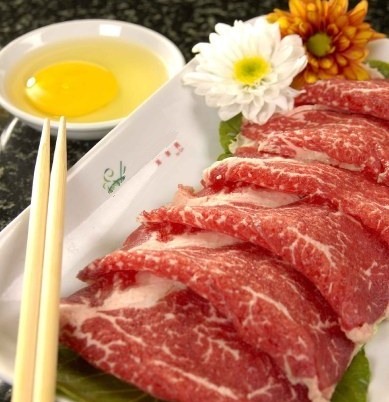
kobe beef


This is a dream food for me, kobe or wagyu beef, and perhaps for most of us foodtrippers. Its taste is sure heaven, and fittingly, its price is high heavens, :-). Let's see why, besides having the blessed cows being regularly rubbed with sake (really no ordinary rubbing alcohol, huh?) and even being fed with expensive beer:
Kobe beef For meat lovers Kobe beef is the holy grail of steaks. In Japan a meal consisting of this meat, prized for its rich flavour, tenderness and heavy marbling of fat will set you back around ¥13000 ($130/£65) on your credit card. The criteria for authentic Kobe beef is very strict: the meat must come from the black Tajimi-ushi breed of Wagyu cattle, and be born, raised and slaughtered in the Hyogo Prefecture region of Japan (in which lies the city of Kobe). (source: Kitchen Geekery) 
While Wagyu cattle are raised both in and outside Japan, the Kobe varietal which is raised specifically in the Hyogo prefecture is the most elite. Employing the most traditional production methods, Kobe beef comes from cows that are allegedly fed only beer and massaged by hand to ensure a tenderness and marbling beyond compare. These dishes can be out of range for the average restaurateur, carrying an unhealthy load of fat and a price tag to match. For your next after-work social, you might try taking your associates to New York City’s Craftsteak, where a full Wagyu rib eye was served up to a private party for $2800. (source: Pakmasti)
Hmm, for now, I'll just have to content myself salivating over these photos:

Photo credit: wikipedia.org

Photo credit: mano-pakmasti.blogspot.com

Photo credit: lushbling.com

Photo credit: Dateriles

Photo credit:  The Gastronomist


Photo credit: Most Expensive of Things


:::::